So what exactly is
post-modern theory? Is it the characteristic of cattle fence-posts being
connected with Ethernet cables so that the cows can go online? As cool as
bovine surfing would be (in water or digitally), the term has a more mundane
meaning. It simply means “after” modernism.
Well, what was modernism? It’s what
came after Romanticism (with all those capital R Romantics). In the end, the
modernists were people like T.S. Elliot, William Golding, D.H. Lawrence and Virginia Woolf.
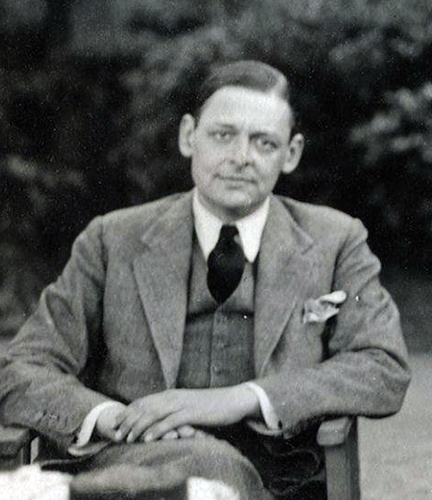 |
| T.S. Elliot |
 |
| William Golding (a late modernist), |
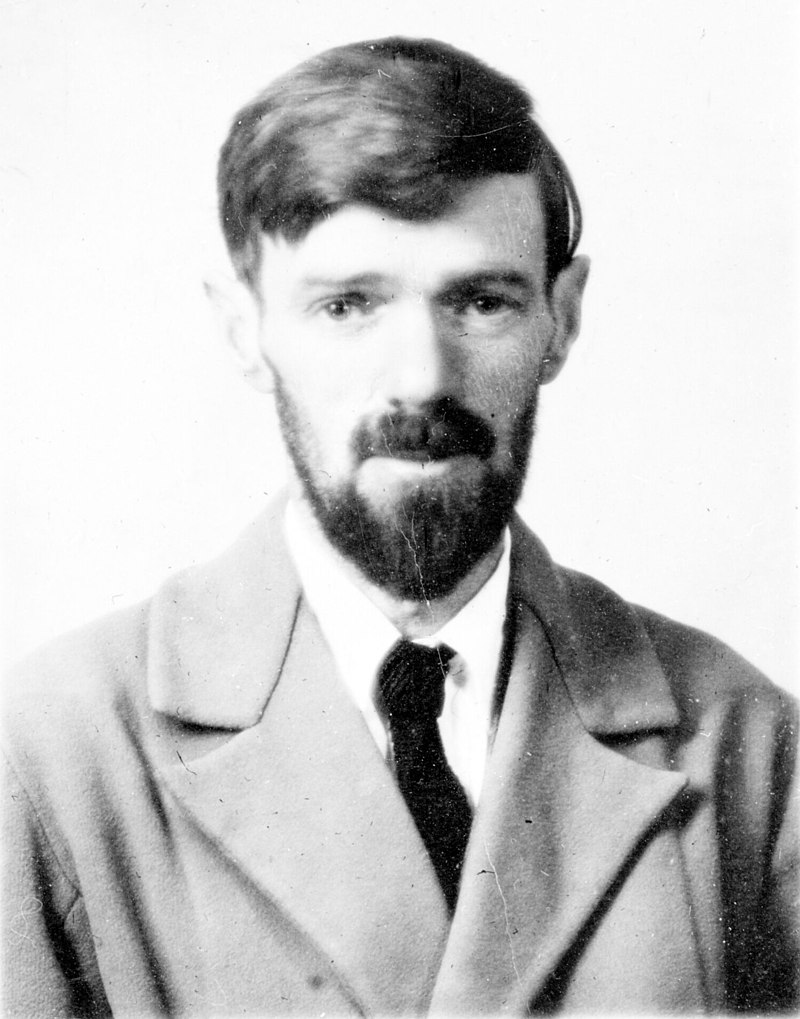 |
| D. H. Lawrence |
 |
| Virginia Woolf |
In the end, their big thing was that modern
society had estranged itself from “real” reality and “the truth”. You see this
nicely with Golding’s Nobel acceptance speech, where he talks of living in two
worlds, the material and the spiritual and that that is what “living is really like”.
The modernists were aware that society was based on conventional codes, such as
gender. (Before all my Mormon friends run amok, note the difference between sex
“the fun bits on your physical body” and gender “the role assigned to you by
society based on said bits”, thus we could potentially call them “sad bits”.)
(Grr...Sara infecting
me with her style of writing…I am less worried about the change in looks due to
marriage, more about the merging of intellect. In 20 years’ time we will be
able to be one another’s ghost writers, and no one will be able to notice…anyways…where
were we…a right, fun/sad bits)
For an interesting
take on gender, by way of sex, try (at your own peril) Virginia Woolf’s Orlando.
 |
| Orlando |
Appropriately, the modernists had ‘special’ ideas about where to find truth and
true experience. I think it was D.H. Lawrence for whom sex was a special type
of revelatory experience. I don’t know what type of drugs he was on, but while
sex is fun, revelatory…not really.
But the theme running through their work was
an attempt to get out of the conventions of society to truth, reality, being,
essence, or some other big sounding word that some new-age, bored hipster will
claim is the “real” answer. But there is still this element that one can
somehow get at the "real" and somehow express it, thus bringing it back to
experience where it can be used for, essentially, revolutionary purposes.


2 comments:
Re: "revelatory... not really."
I hate to point out the premise of a blog here by telling you to speak for yourself, but... speak for yourself ;)
Also, typo in the same sentence ;)
Thanks for catching that :)
Post a Comment